
Unlimited Visuality
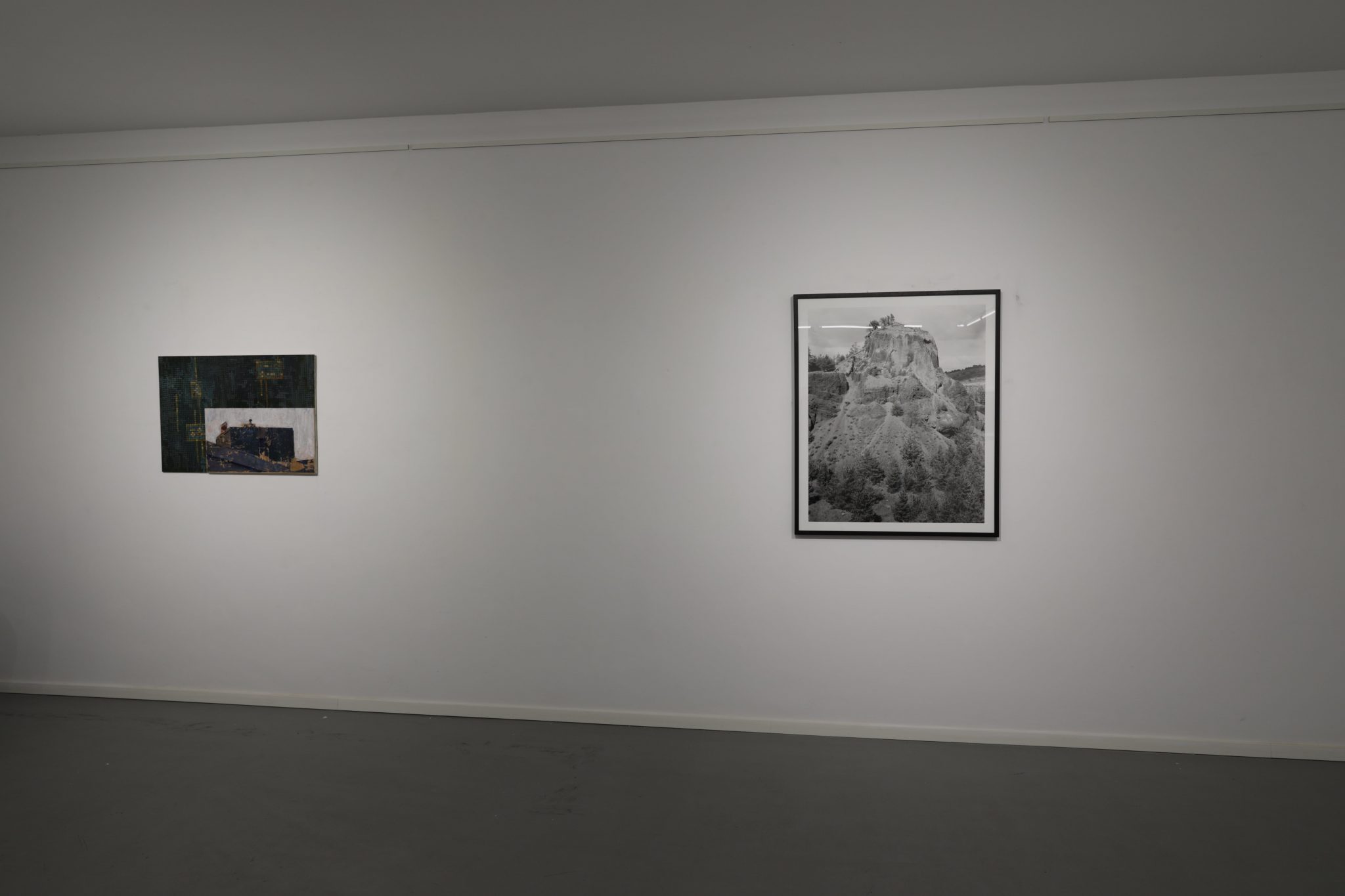
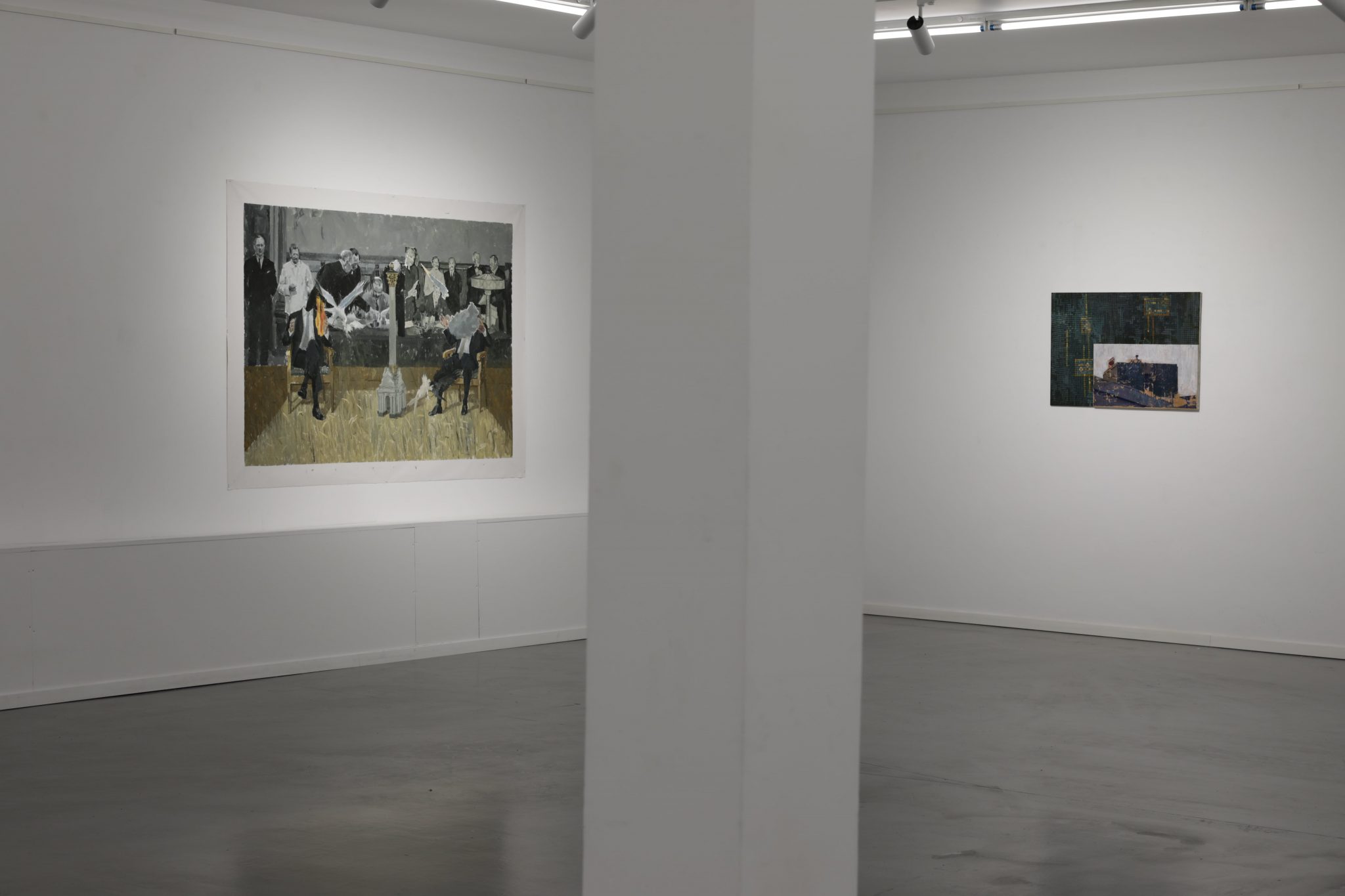
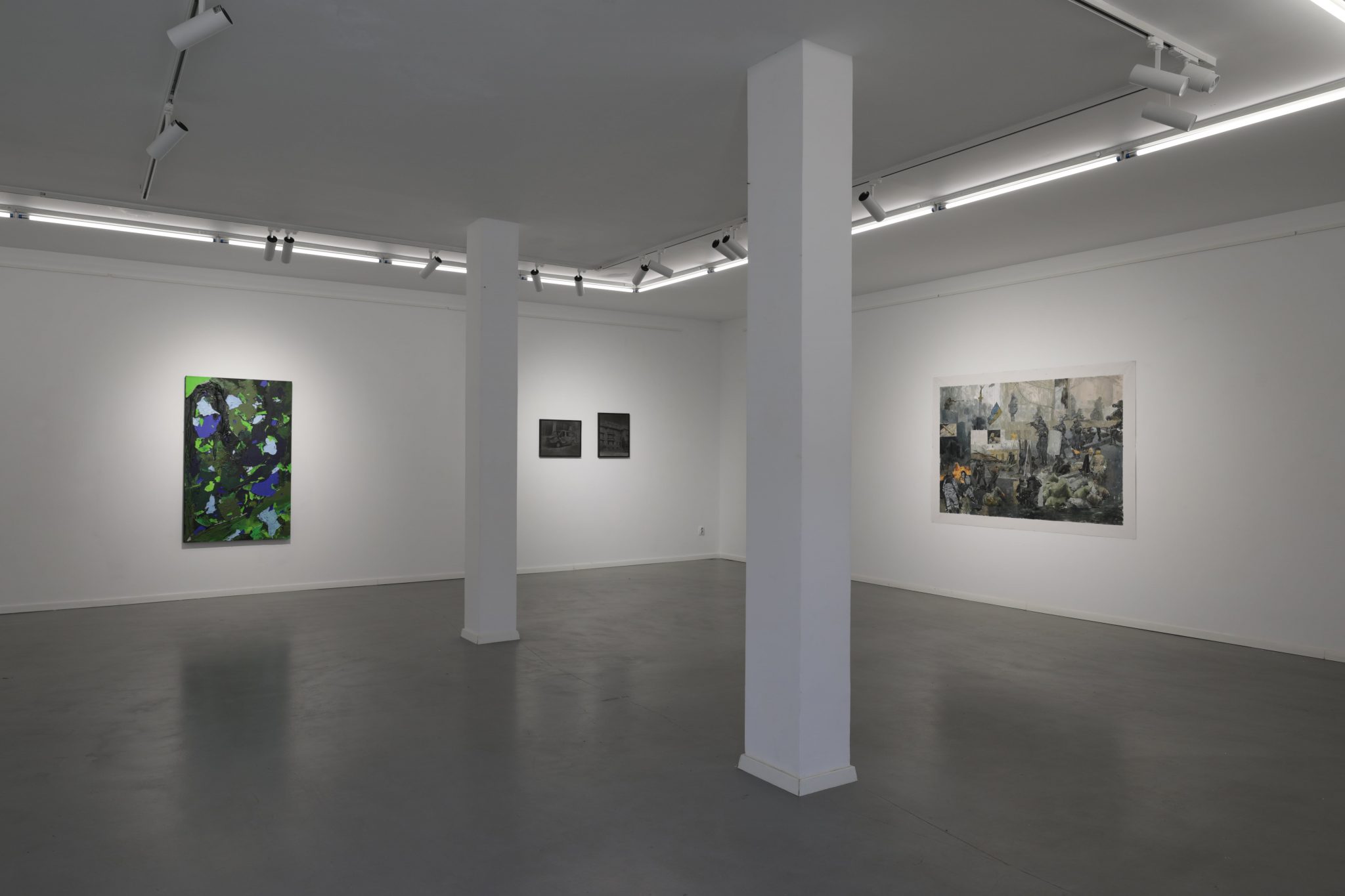
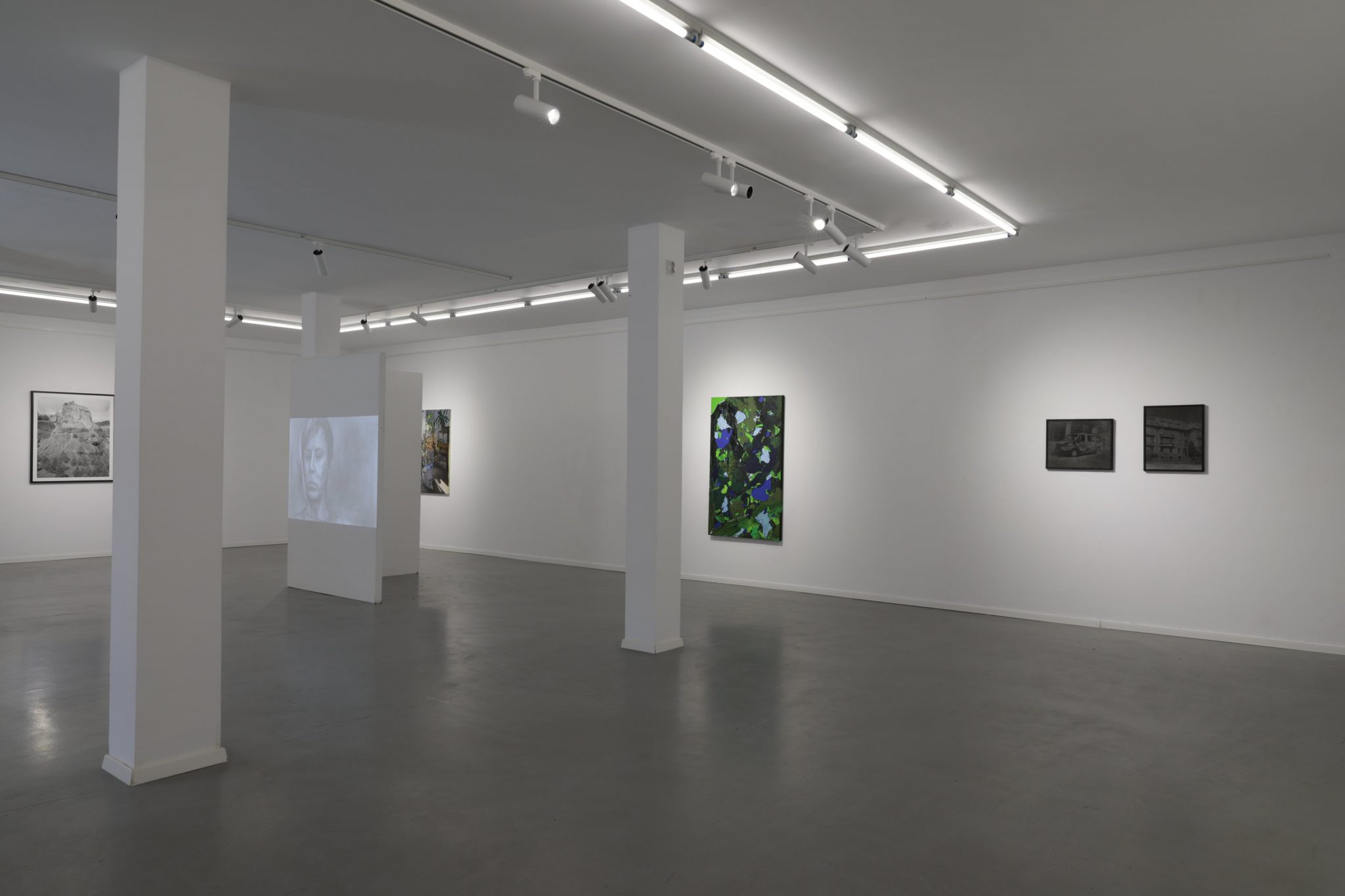
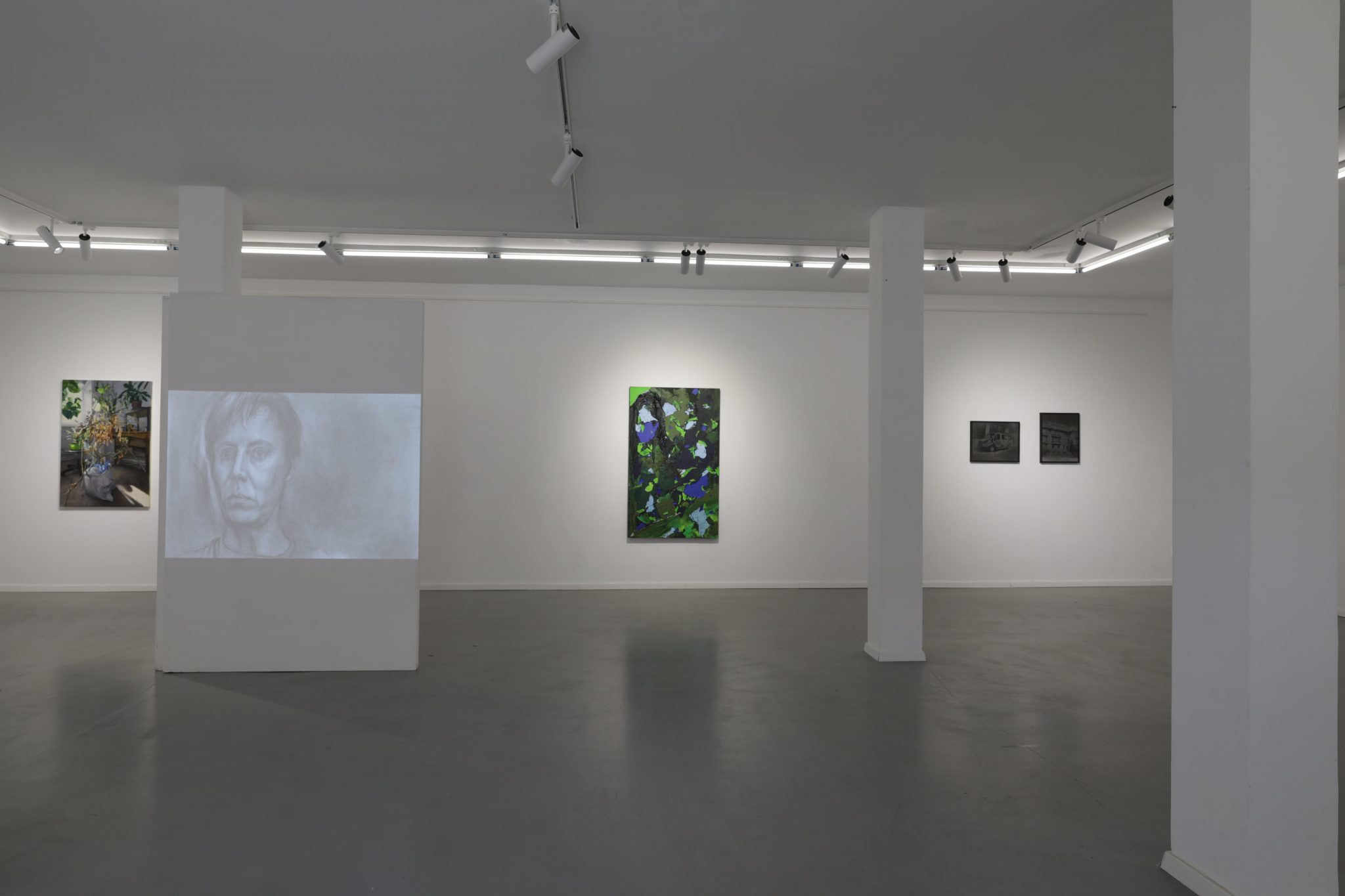
ElectroPutere Gallery, Craiova, in partnership with the Institute for Multidisciplinary Research in Art (ICMA) at the George Enescu National University of Arts, Iași (UNAGE Iași), organised, from 8 to 25 September 2022, at the apARTe Gallery of the Faculty of Visual Arts and Design, the exhibition entitled Unlimited Visuality, curated by Adrian Bojenoiu, featuring works by the artists Ciprian Tokar, Andreea-Lorena Bojenoiu (ALB), Lucian Bran, Elizaveta Ostapenko, Ana-Maria Micu, and Sarah Muscalu.
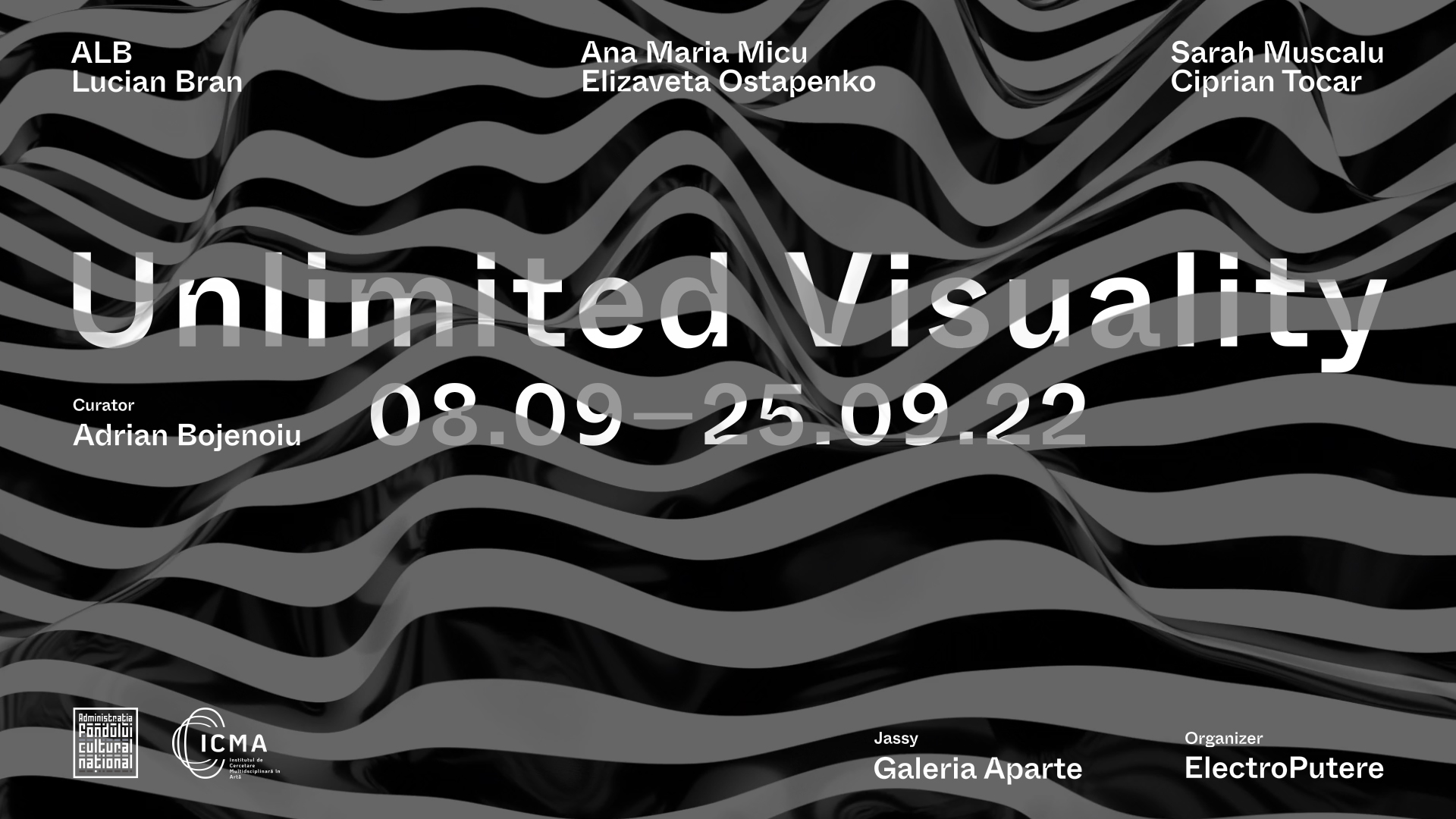
“With the increasingly powerful impact of widespread digitalisation and a culture that relies extensively on communication through images, visual discourse and the valorisation of images have undergone significant and unprecedented changes. Digital technology has facilitated the shift from passive contemplation to the active use of images. Technological images produced by AI, satellite images, images captured by surveillance cameras, and vernacular photographs distributed through social media compose the contemporary iconosphere that controls affects and the production of signs and desires.
The exhibition Unlimited Visuality is part of the project Investigative Aesthetics in the Post-Truth Era, initiated by ElectroPutere Gallery and the Institute for Multidisciplinary Research in Art (ICMA), with the aim of exploring the multiple functions and social and political effects of contemporary image culture through artistic and theoretical research.
The exhibition presents six multimedia artistic productions by young artists whose practices draw on the language of investigative aesthetics as a theoretical framework.
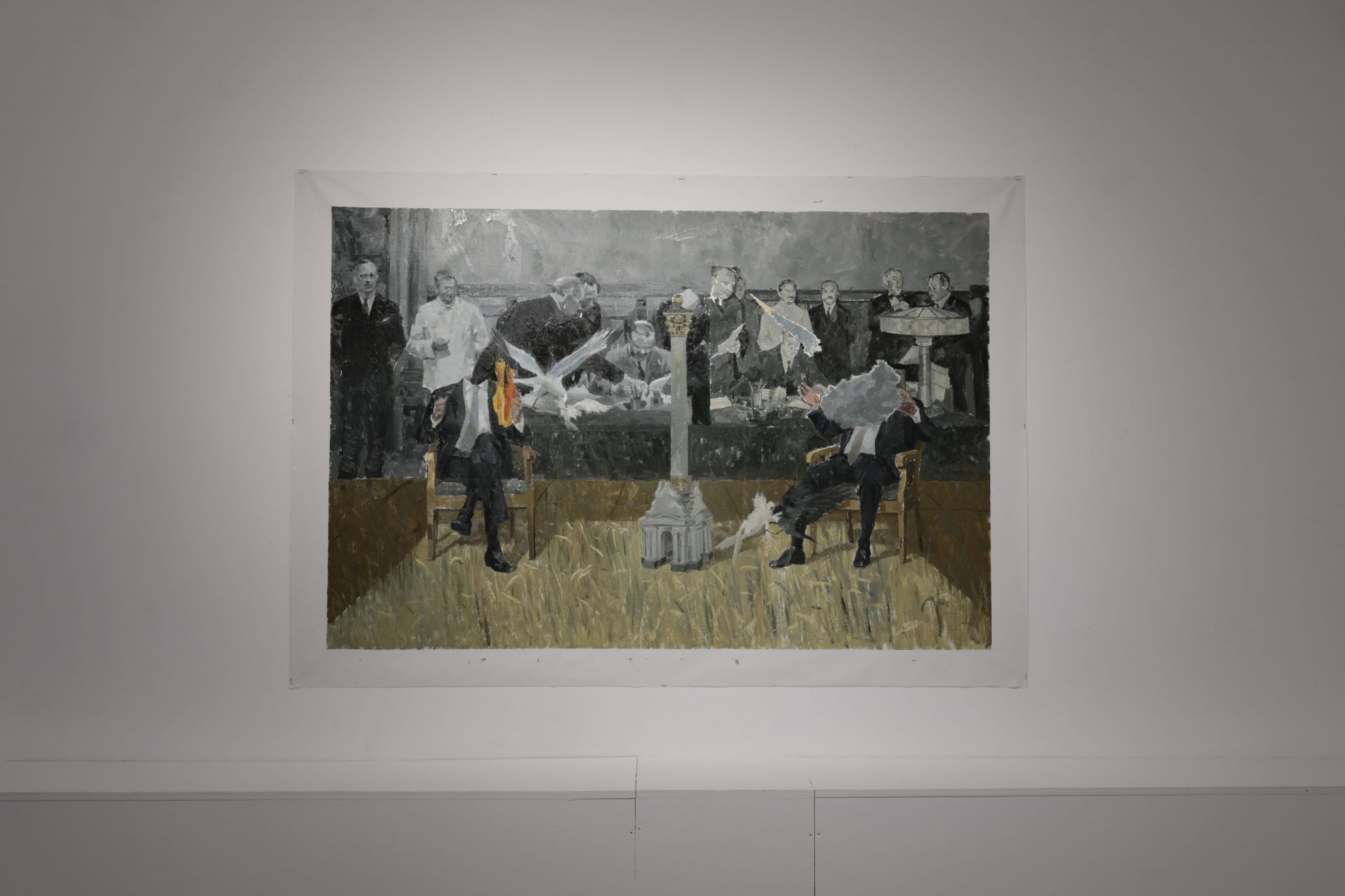
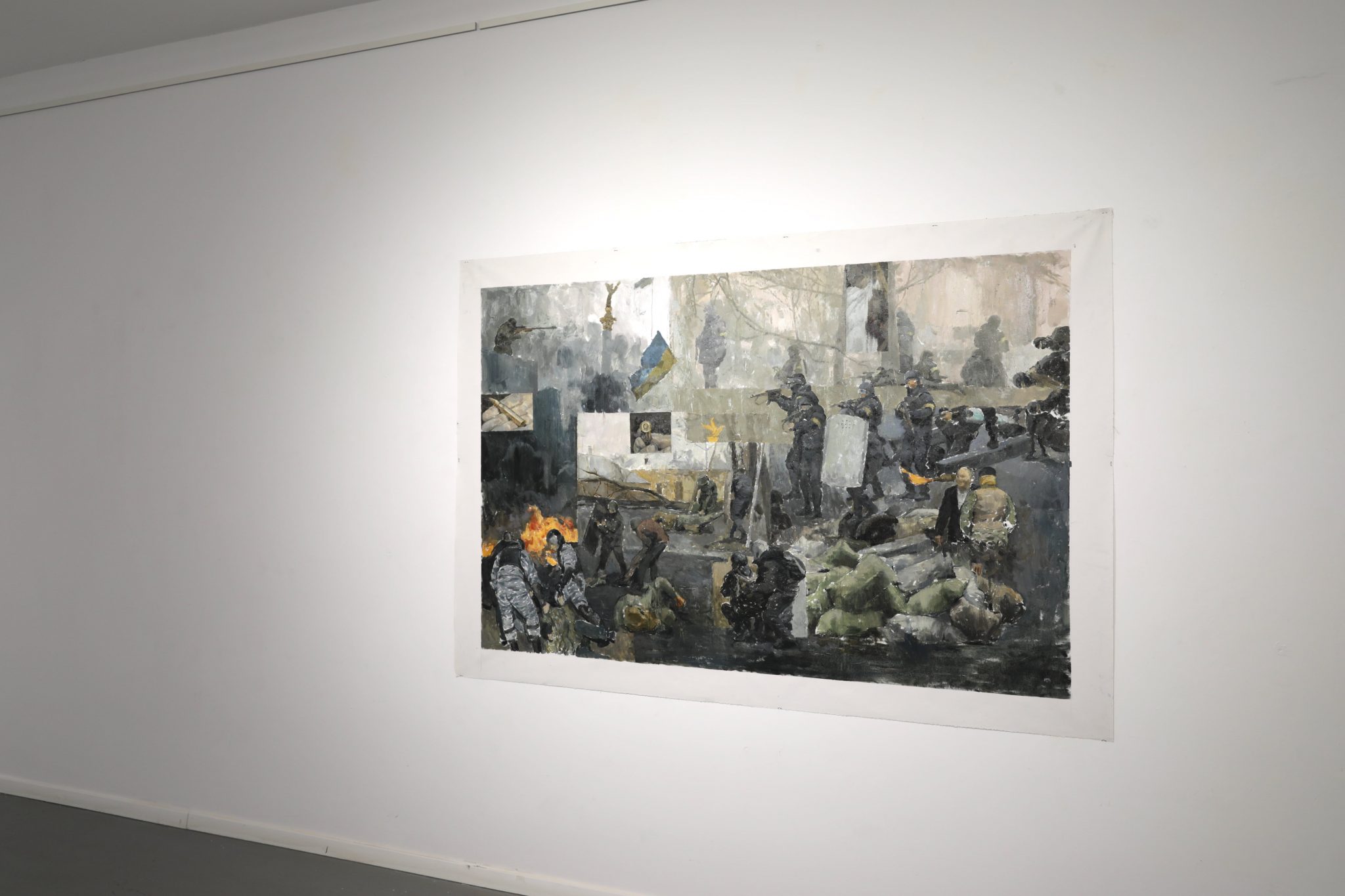
Ukrainian artist Ciprian Tokar’s artistic research focuses on the interplay between personal and collective memories of traumatic historical events, such as the Maidan Revolution and Russia’s brutal attack on Ukraine. His artistic practice is associated with the notions of “expanded painting”, “2.0”, and “networked”, developed by the American art historian David Joselit. According to these notions, painting is understood as a visual construct based on images drawn from visual communication through mass media and social media.
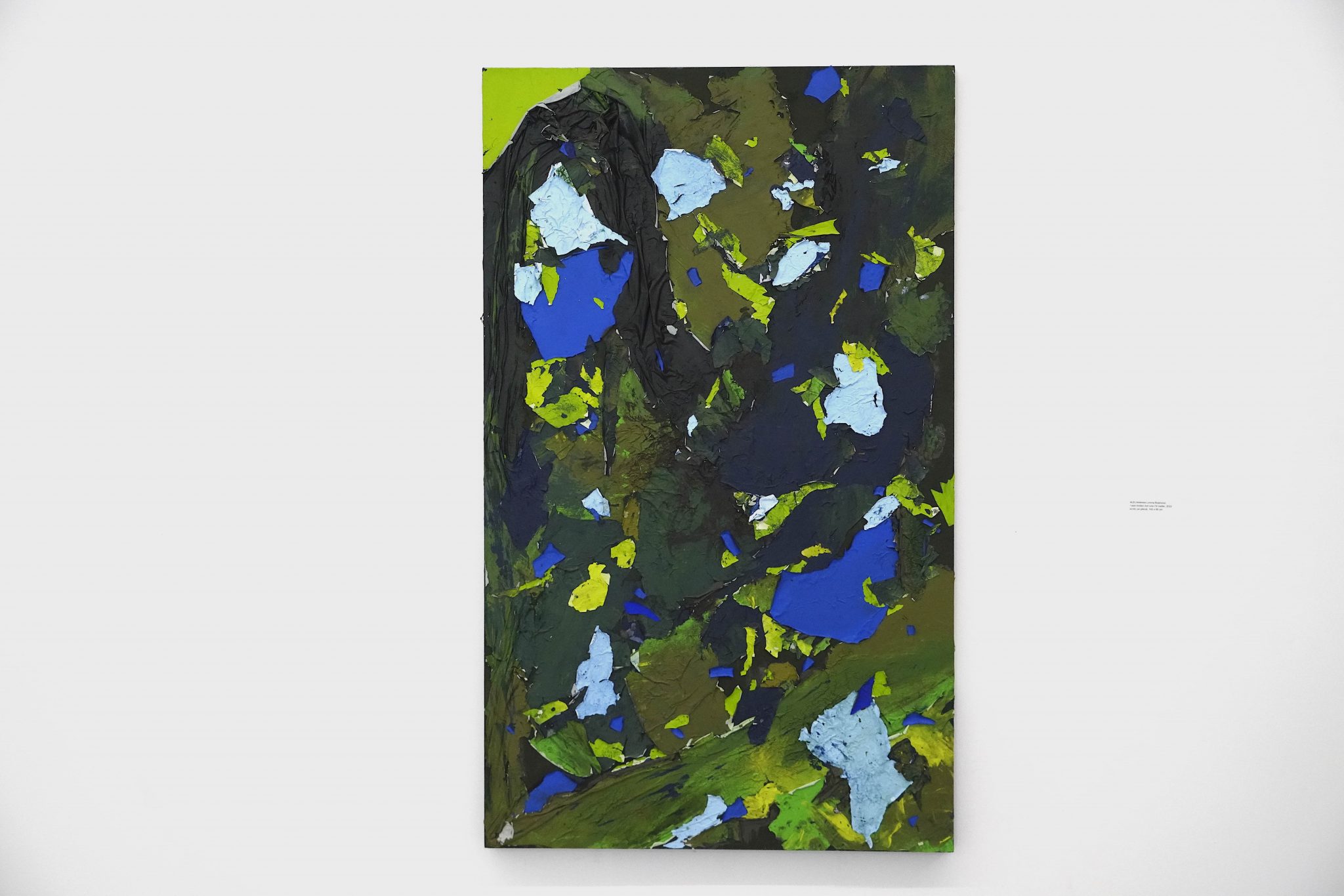
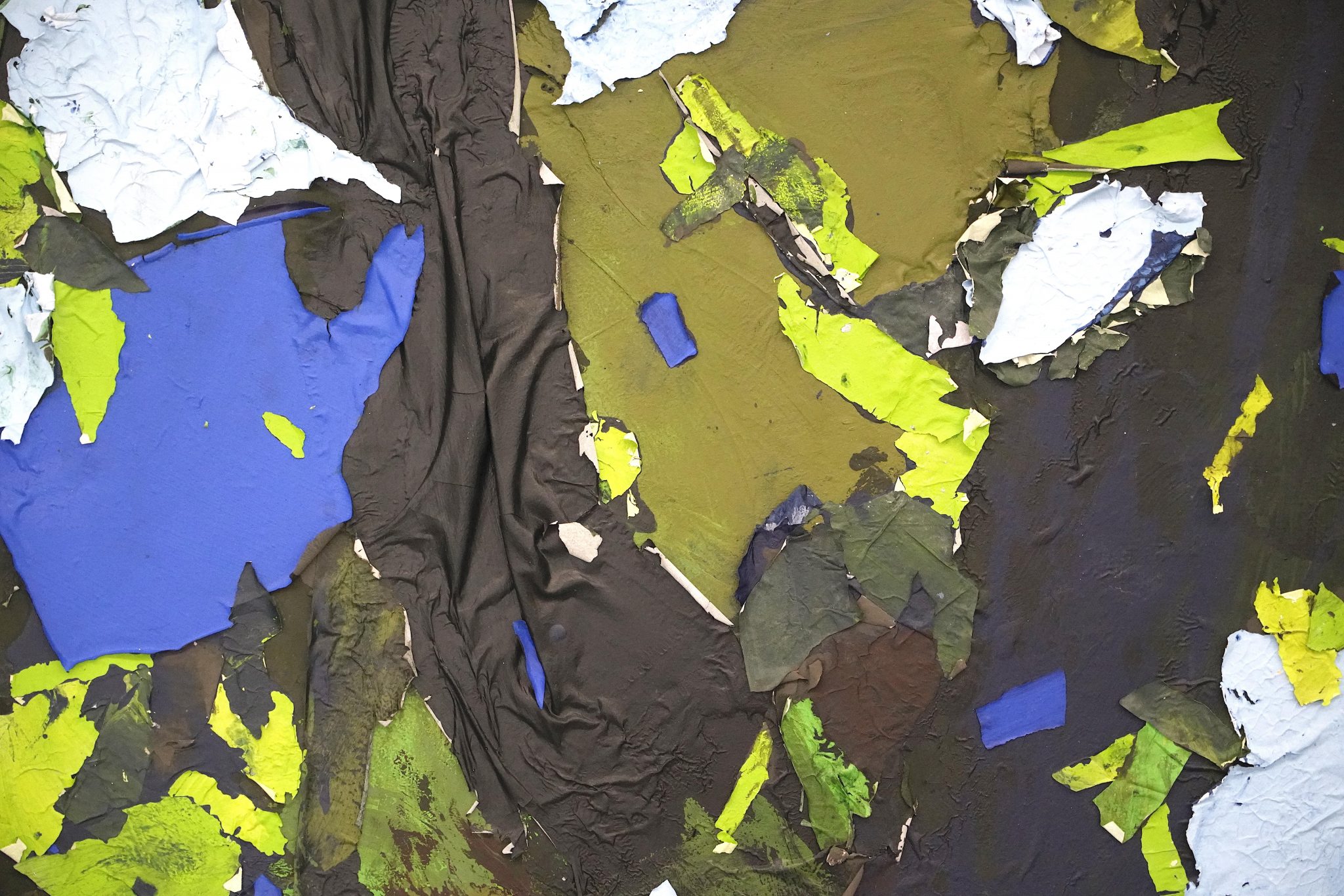
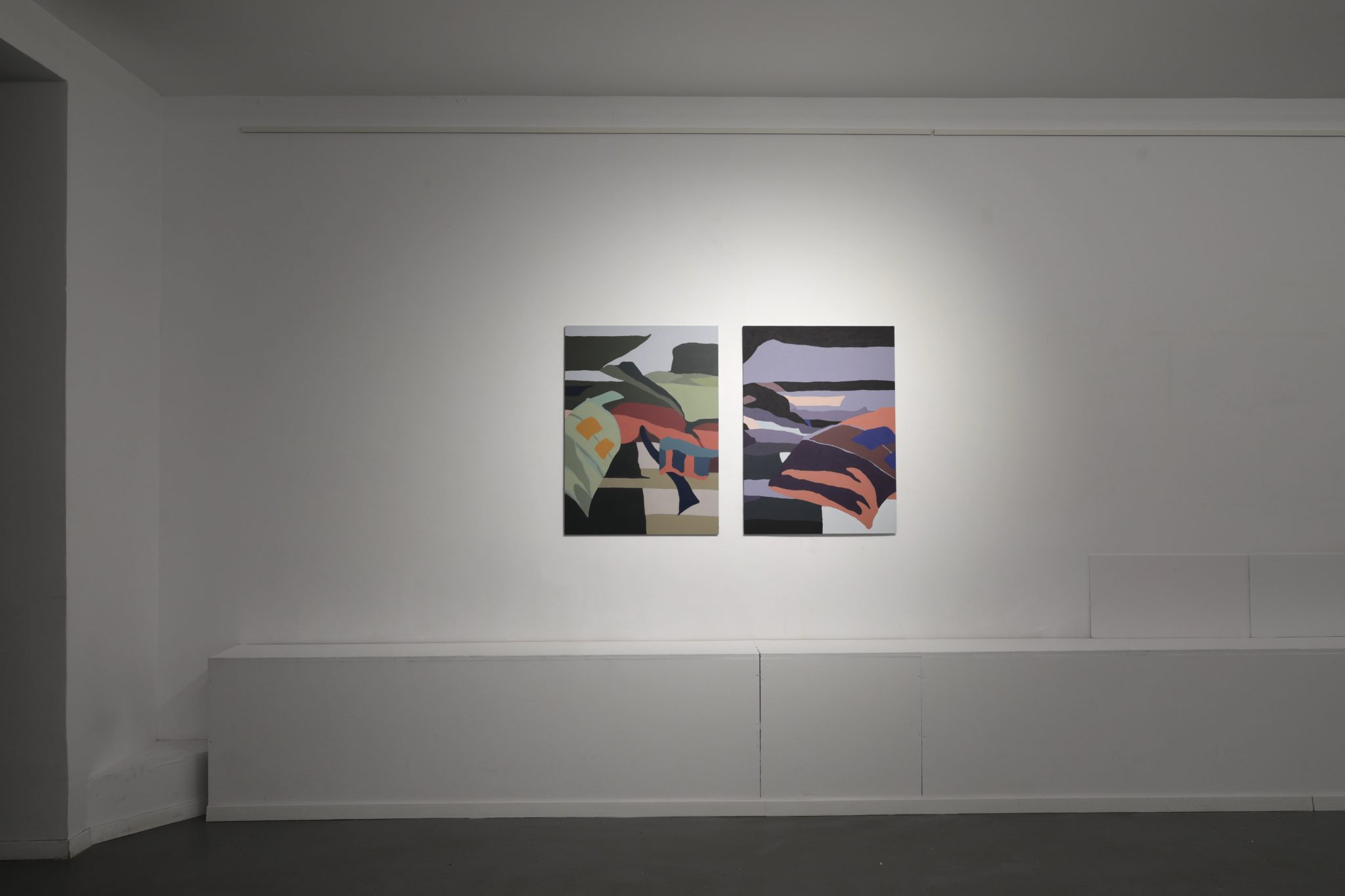
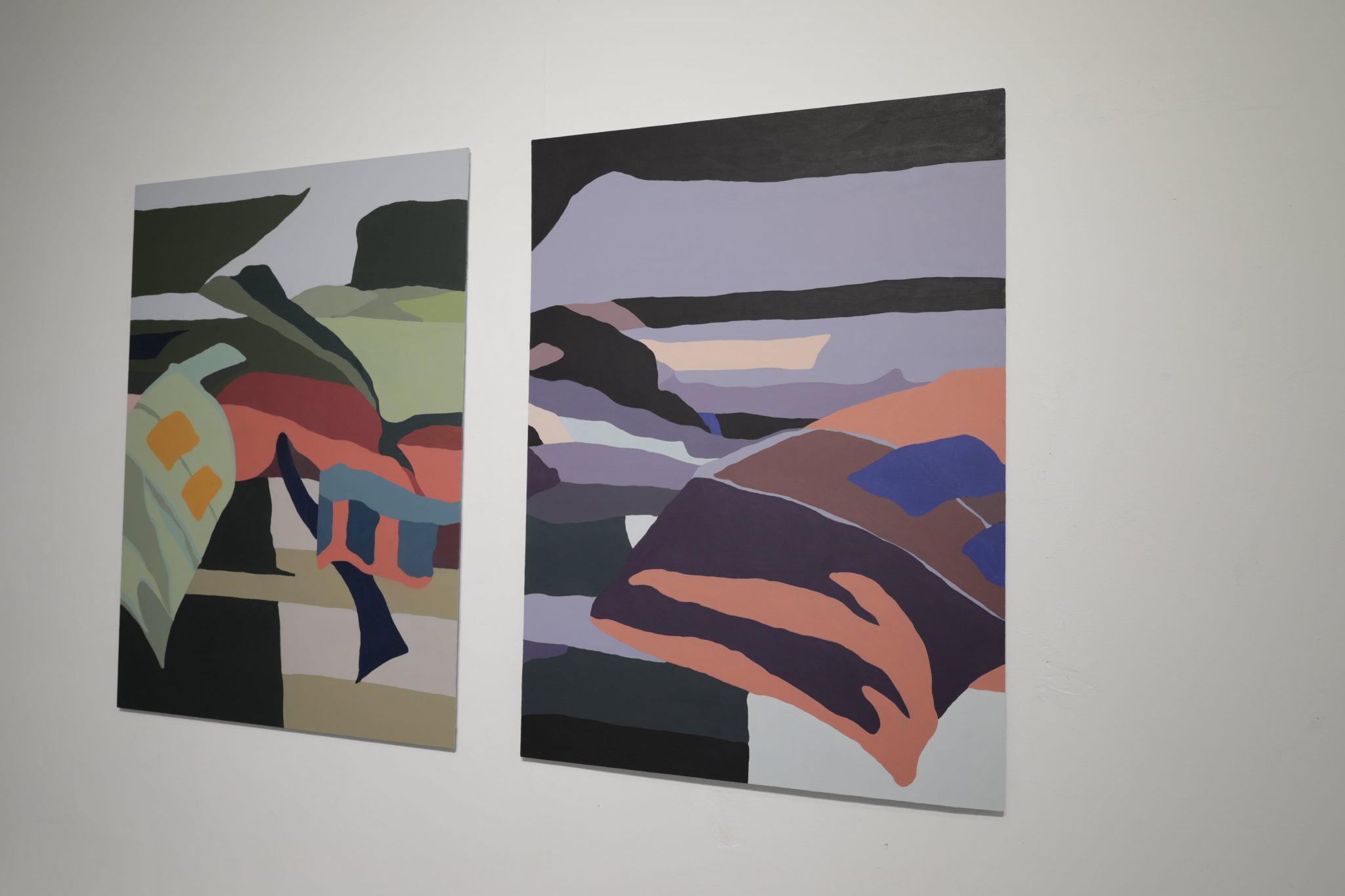
From another perspective, the works proposed by Andreea-Lorena Bojenoiu (ALB) question the image in its capacity as a code of communication. In the current context, in which the image proliferates within a deeply virtualised social environment, her artistic practice responds to this environment and can be characterised as antimimetic and non-aesthetic. The refusal to create defined visual representations and, implicitly, to describe or comment on a presumed reality is accompanied by a questioning of abstraction as a process of mental reduction and essentialisation of representation.
The works proposed by Lucian Bran use the analogical image to show how information is interpreted by different individuals according to their belief systems, ranging from interpretations of the Bible that claim that the Earth is 6,000 years old to geological truths, such as the tendency of gravitational force to flatten the Earth’s surface over time.
Hamburg-based Russian artist Elizaveta Ostapenko’s research focuses on the communicative character of the image. In her case, the production of the image results from a deconstructive process that involves cancelling the traditional semiotic functions used in representation. Her artistic practice develops a narrative about the image through personal experiences and everyday activities, inspired by the immediate reality induced by the visual manipulations of mass culture.
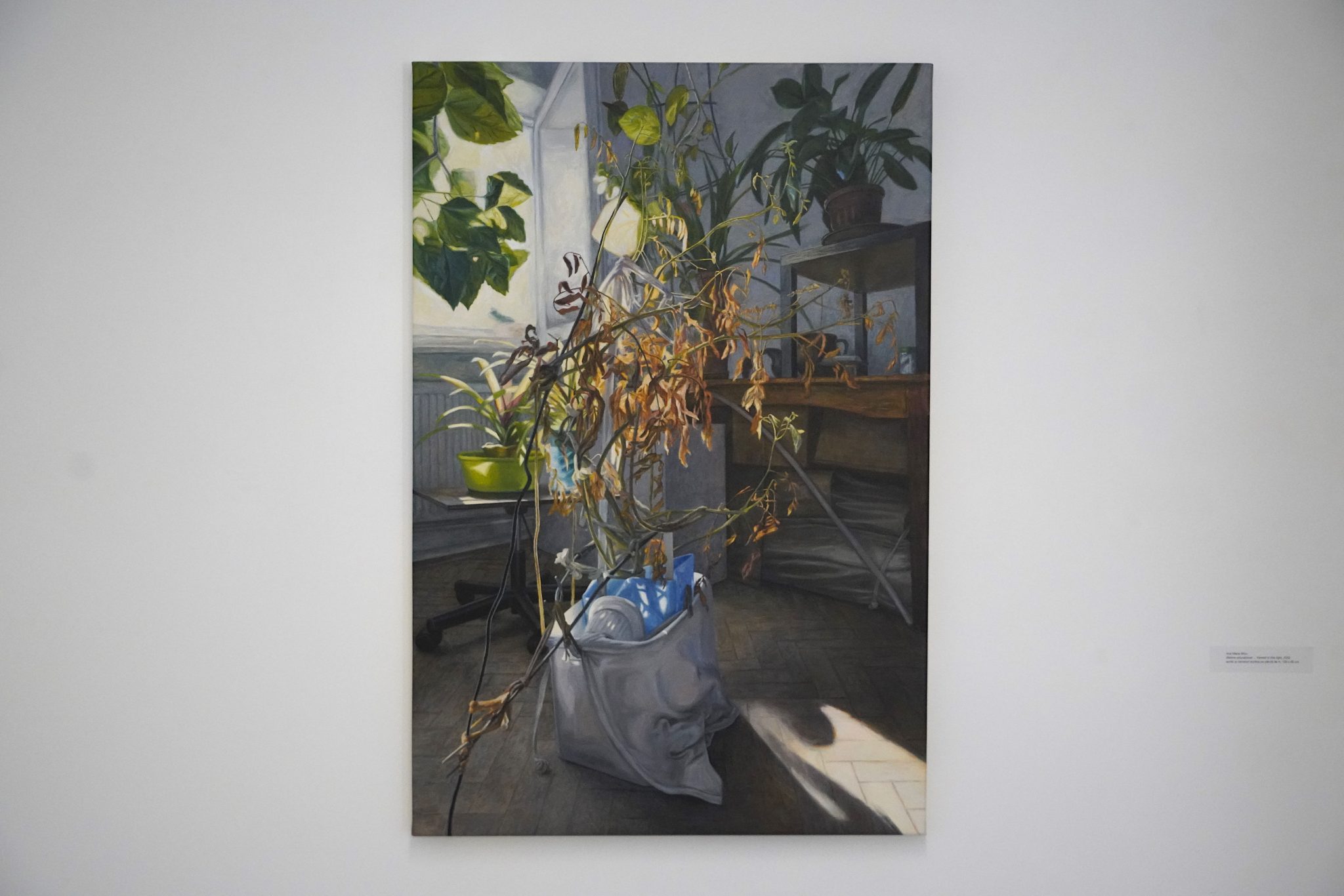
Ana-Maria Micu has restricted her source of images to the environment of her own home. She exclusively paints scenes from her own apartment, drawing on images captured during various artistic endeavours. Her painting represents an unlimited visual examination — a multifaceted presentation of the self.
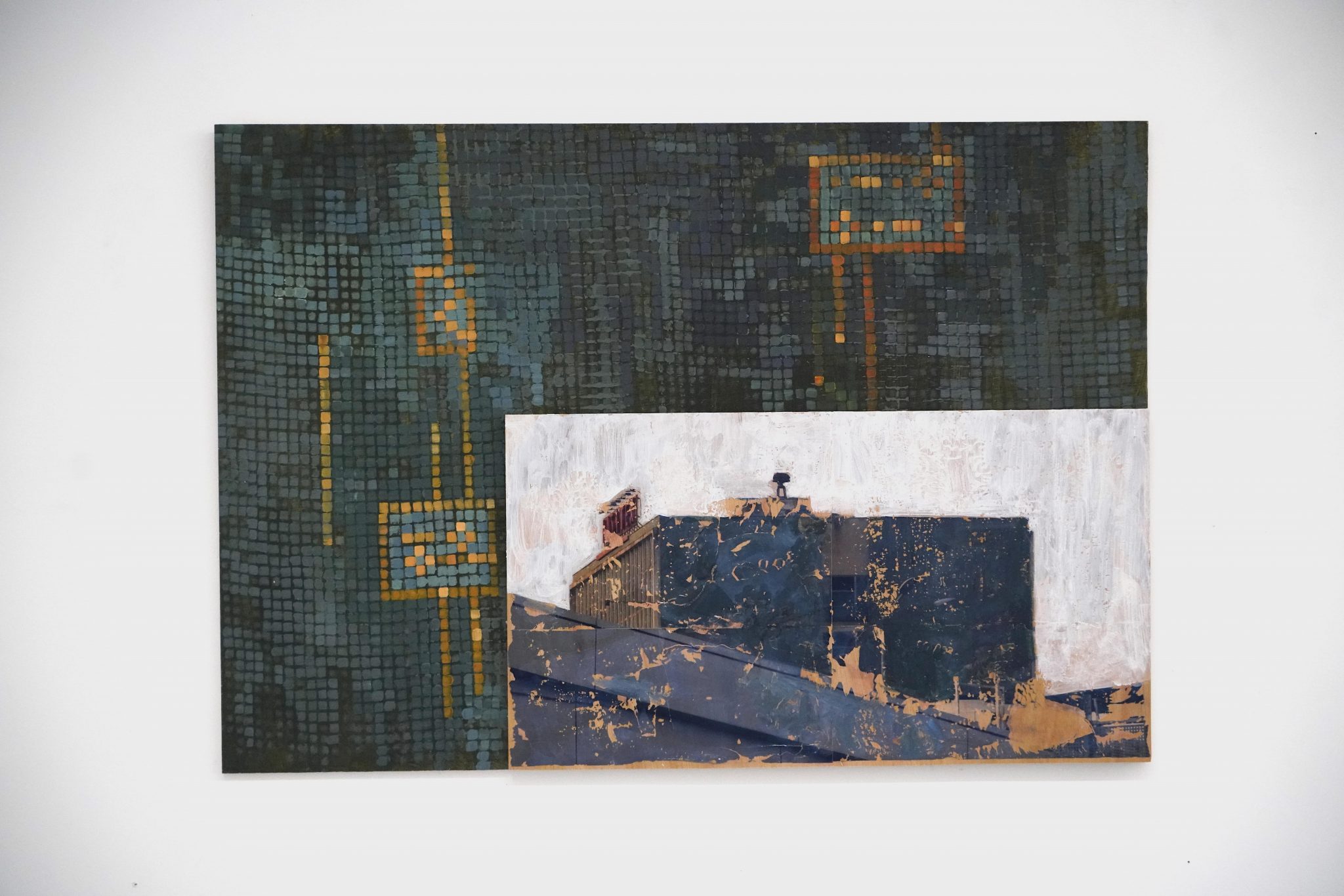
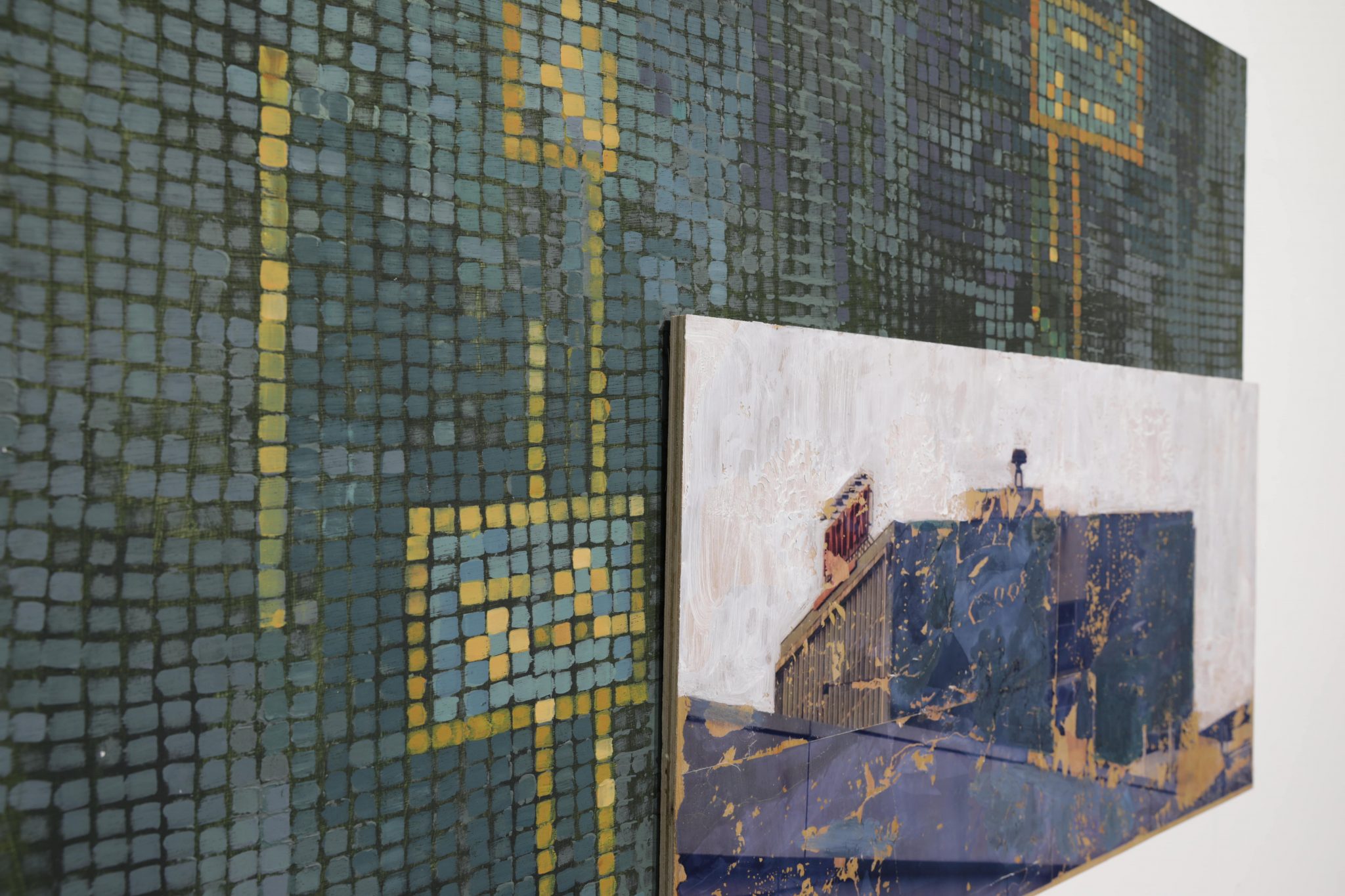
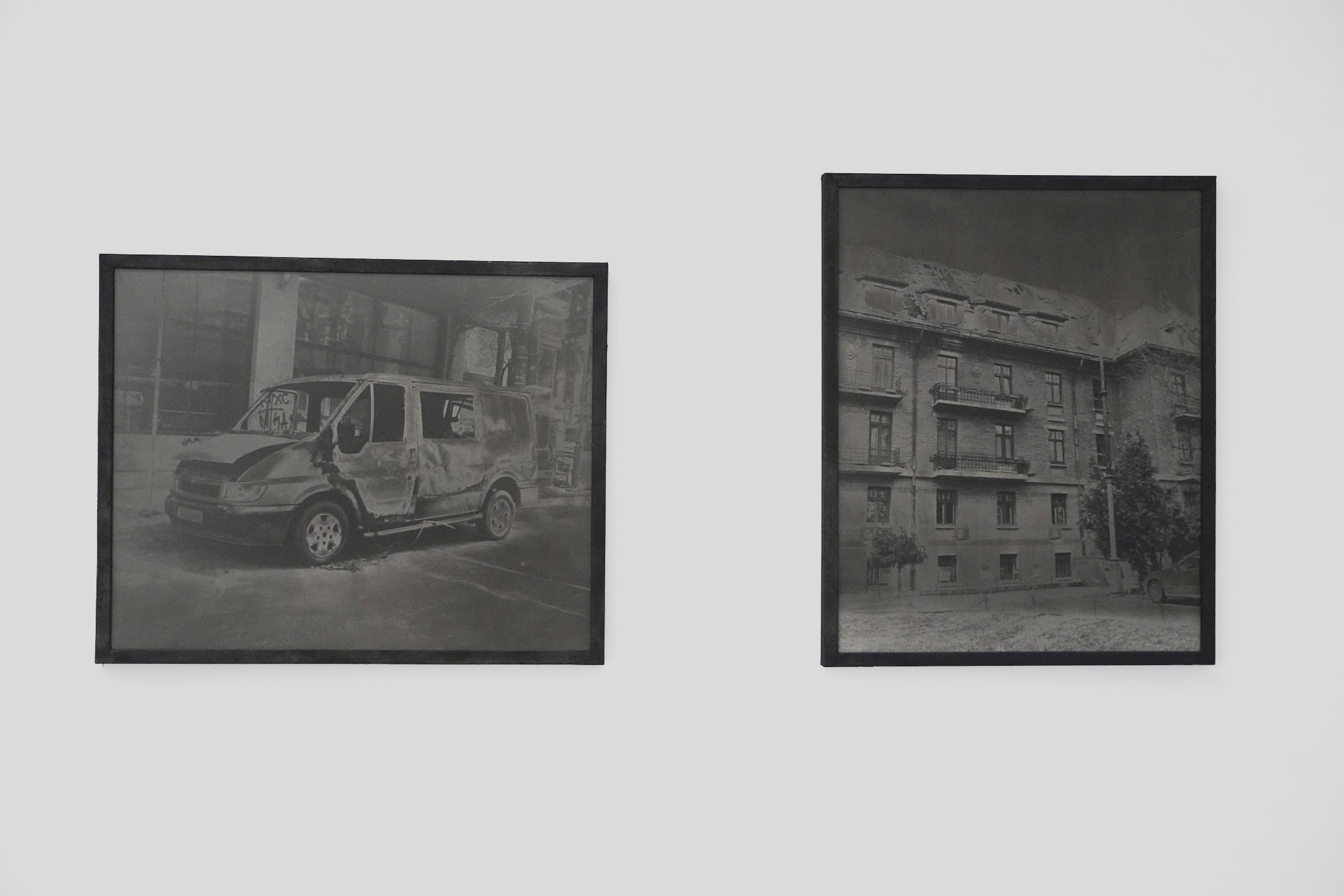
Sarah Muscalu’s artistic practice is situated at the intersection of painting and photography. It explores the extension and hybridisation of the two media, as well as their specificity in relation to their capacity to communicate information objectively. In the present case, this information concerns the processes of erosion and disappearance of public spaces over time, taking the post-industrial condition of Romanian society and the theme of labour as points of reference.”
(Adrian Bojenoiu)
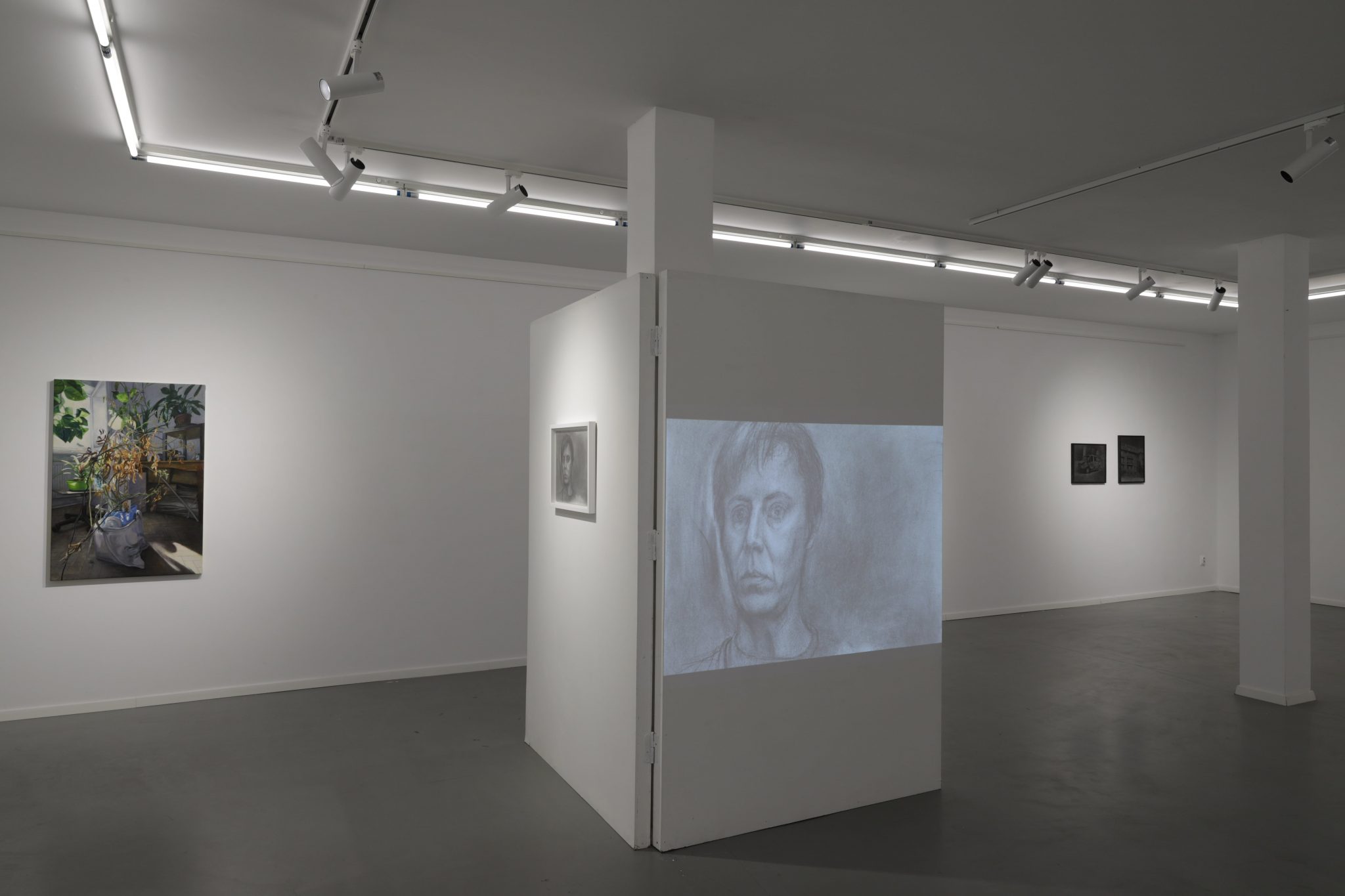
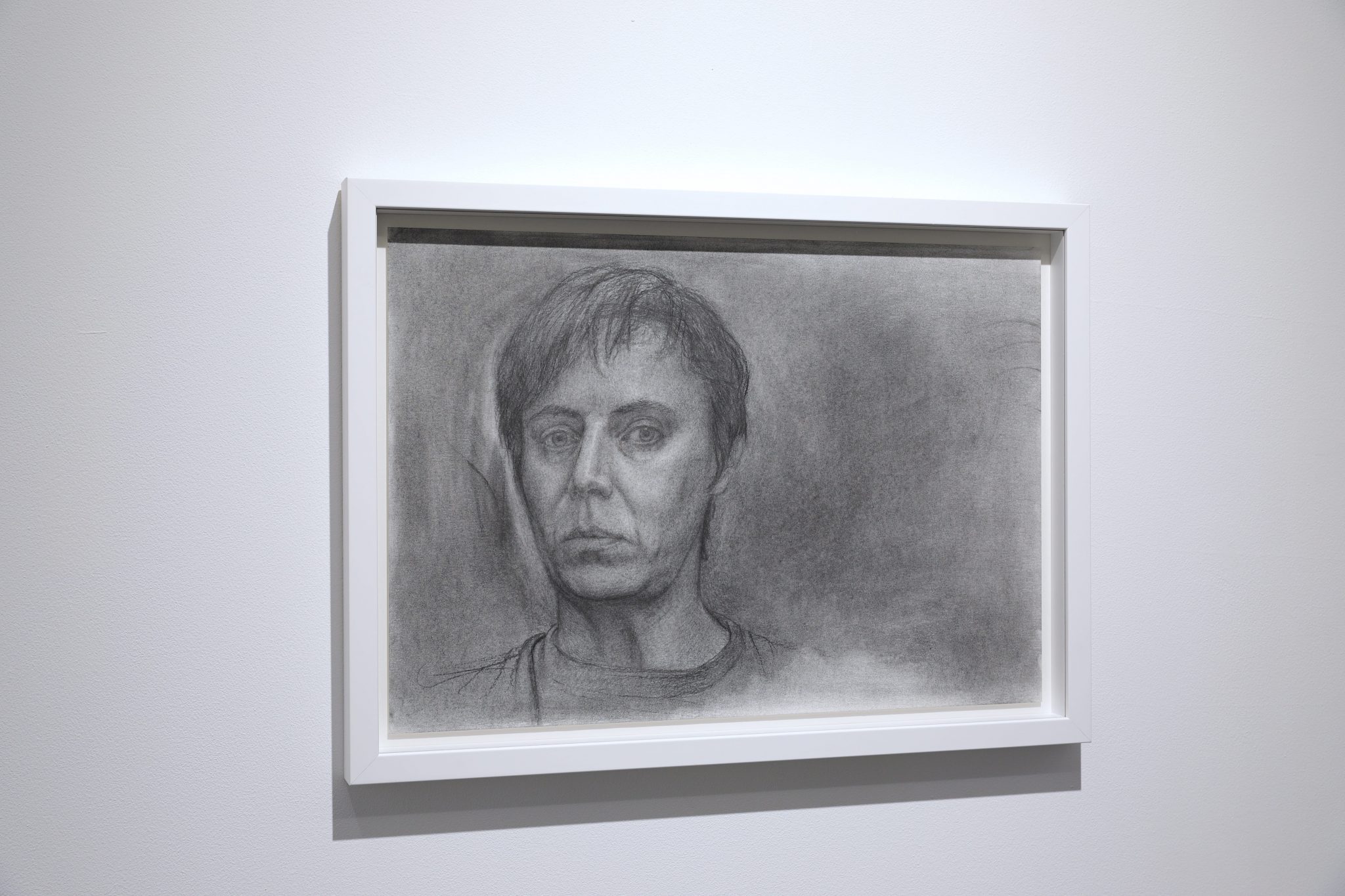
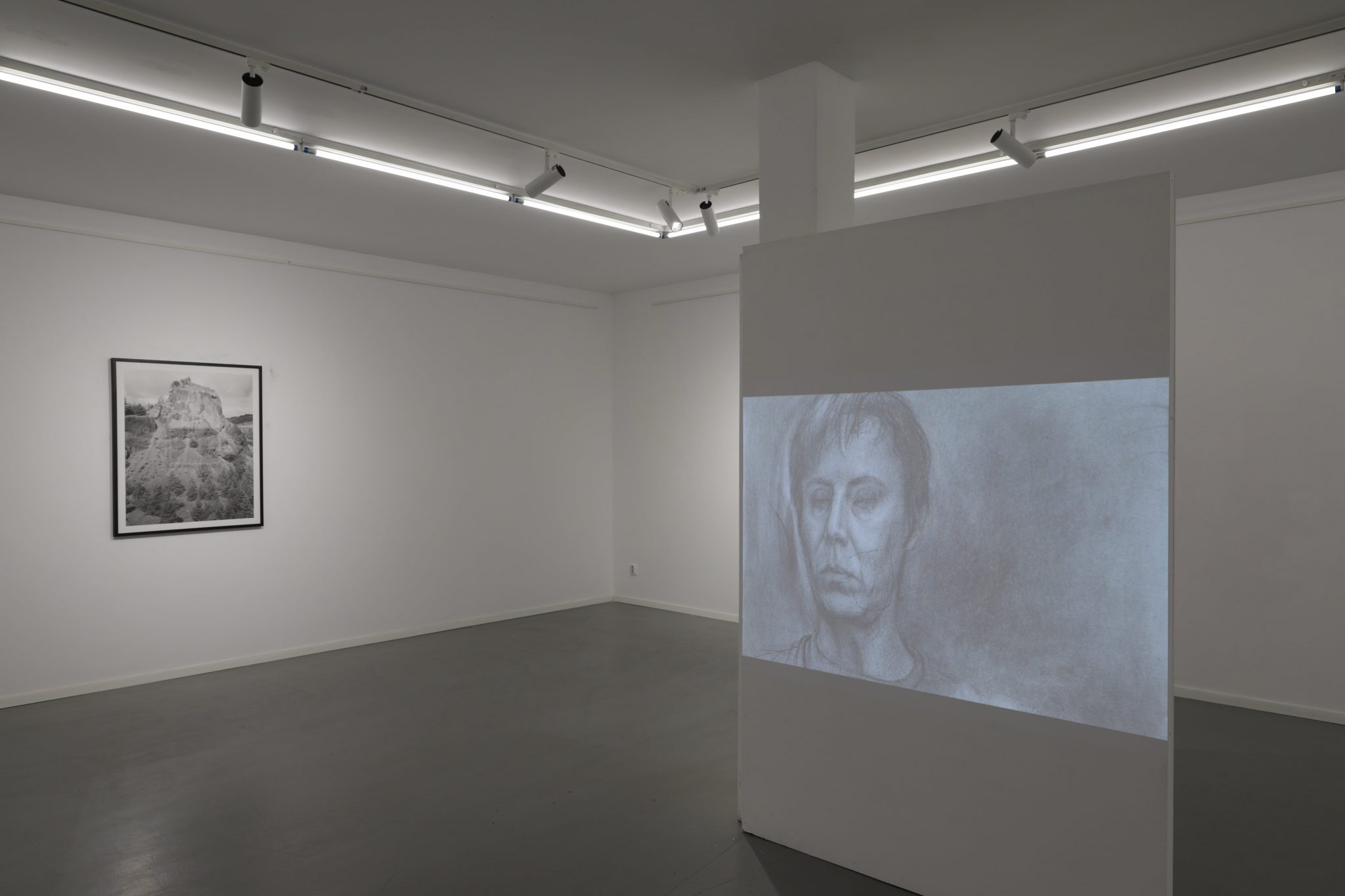
Cultural project co-financed by the Administration of the National Cultural Fund (AFCN).
This project does not necessarily represent the position of the Administration of the National Cultural Fund. The AFCN is not responsible for the content of the project or for the ways in which the project’s results may be used. Responsibility lies entirely with the funding recipient.
ElectroPutere Gallery
https://electro-putere.com
Photo Gallery: